- Key Takeaways
- Table of Contents
- Introduction
- Top Budgeting and Expense Tracking Apps
- Understanding Your Spending Patterns
- Leading Budgeting Solutions
- Best Investment and Wealth Management Apps
- Democratizing Investment Access
- Top Investment Platforms
- Crypto and Alternative Investments
- Smart Savings Apps
- Automated Savings Strategies
- Digital Banking Apps
- The Rise of Neobanks
- How to Choose the Right Fintech App
- Key Selection Criteria
- Building a Cohesive Financial System
- Frequently Asked Questions
- Are fintech apps safe to use with my banking information?
- How much money can I realistically save using fintech apps?
- Do I need multiple fintech apps or can one app handle everything?
“`html
Best Fintech Apps to Manage Your Money Smarter in 2026
Key Takeaways
- AI-powered budgeting tools now manage over $50 billion in personal finances across the globe
- Multi-asset investment apps have reduced investment barriers with zero-commission trading
- Real-time expense tracking helps users identify spending patterns and save an average of $2,400 annually
- Security and data privacy are paramount—look for apps with bank-level encryption and two-factor authentication
- Integration capabilities between banking, investing, and budgeting apps create seamless financial management
Table of Contents
Introduction
The financial technology landscape has transformed dramatically over the past few years. In 2026, fintech apps have become essential tools for anyone looking to take control of their finances. Whether you’re saving for retirement, tracking daily expenses, or investing in your future, there’s a specialized app designed to help you achieve your goals.
According to recent industry data, over 73% of millennials and Gen Z consumers now use at least one fintech application regularly. The global fintech market is valued at approximately $280 billion, and it continues to expand as technology becomes more accessible and user-friendly.
This comprehensive guide examines the best fintech apps available in 2026, exploring their features, benefits, and how they can help you manage your money more intelligently. From AI-powered budgeting assistants to sophisticated investment platforms, we’ll break down everything you need to know.
Top Budgeting and Expense Tracking Apps
Understanding Your Spending Patterns
The foundation of financial health is understanding where your money goes. Modern budgeting apps use artificial intelligence to categorize expenses automatically and provide insights into your spending habits. Research shows that users who track their expenses actively reduce unnecessary spending by an average of 20-30%.
Leading Budgeting Solutions
YNAB (You Need A Budget) remains one of the most effective budgeting applications available. It uses a zero-based budgeting methodology where every dollar has a purpose. The app connects to your bank accounts, tracks spending in real-time, and provides detailed reports on your financial progress. Users report saving an average of $6,000 per year after implementing YNAB principles.
Mint Plus offers a free alternative with robust features including:
- Automatic transaction categorization powered by AI
- Customizable budget creation with alerts
- Credit score monitoring and financial tips
- Bill tracking and payment reminders
- Net worth tracking across all accounts
PocketGuard focuses on the “In My Pocket” budgeting approach, showing you how much money is safe to spend after accounting for bills, goals, and emergencies. This app is particularly useful for freelancers and gig economy workers who have irregular income patterns.
Best Investment and Wealth Management Apps
Democratizing Investment Access
Investment apps have revolutionized how ordinary people build wealth. In 2026, zero-commission trading is the standard, and fractional shares allow you to invest in companies like Apple or Tesla with just a few dollars. The barrier to entry has essentially disappeared.
Top Investment Platforms
Fidelity has become a comprehensive wealth management platform offering:
- Commission-free stock and ETF trading
- Automated robo-advisor with personalized portfolio management
- Access to 24/7 customer support
- Educational resources for beginners and advanced investors
- Fractional shares starting at just $1
Wealthfront specializes in automated investing for people who prefer a hands-off approach. It manages over $28 billion in assets and uses sophisticated algorithms to optimize your portfolio tax efficiency. The app charges just 0.25% in annual advisory fees, significantly lower than traditional financial advisors.
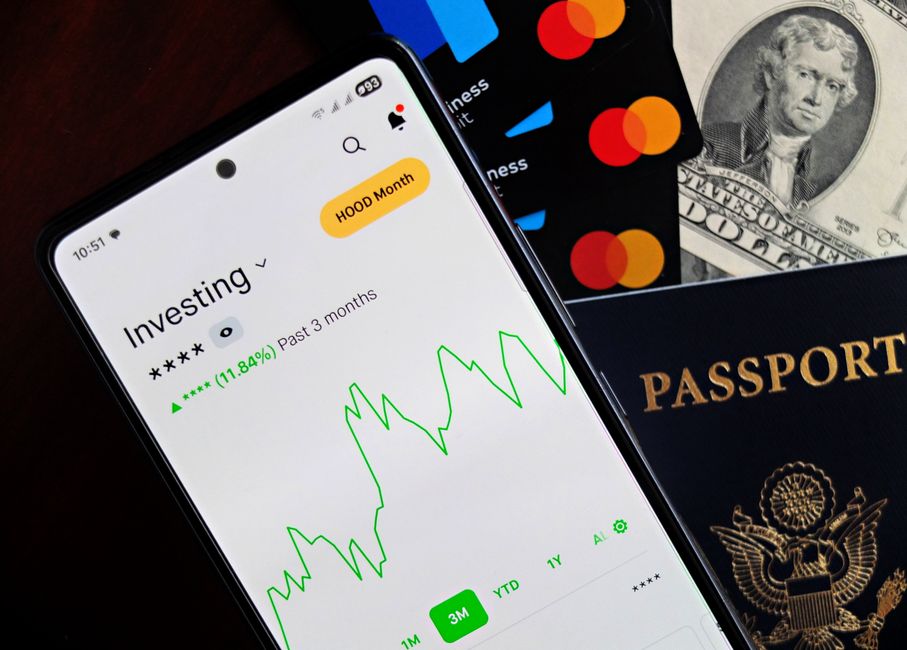
Robinhood appeals to active traders and beginners alike with its intuitive interface and zero-commission model. The app provides real-time market data, options trading capabilities, and cryptocurrency investment options all in one platform.
Crypto and Alternative Investments
For those interested in cryptocurrency, Coinbase remains the most trusted platform with over 98 million verified users. It offers secure storage, educational content about blockchain technology, and staking rewards programs that generate passive income.
Smart Savings Apps
Automated Savings Strategies
Building savings shouldn’t be a manual process. Modern savings apps automate the entire experience, moving money to savings accounts without requiring conscious effort from you.
Acorns uses the “round-up” method, rounding up purchases to the nearest dollar and investing the difference. A user spending $50.75 on coffee would have $0.25 automatically invested. This seemingly small amount compounds significantly over time. Acorns users have grown their portfolios to an average of $5,000+.
Qapital takes a similar approach but adds behavioral finance into the equation. It learns your spending habits, identifies opportunities to save, and sets intelligent savings rules. The app has helped users save over $1 billion collectively.
Marcus by Goldman Sachs provides high-yield savings accounts with competitive interest rates—currently offering 4.5-5.0% APY on savings. It’s perfect for those who want their savings to work harder without exposure to market volatility.
Digital Banking Apps
The Rise of Neobanks
Traditional banks have been joined by modern digital banks that offer superior convenience, lower fees, and better customer experiences. These neobanks operate primarily through mobile apps.
Chime has disrupted traditional banking by offering:
- No monthly fees or minimum balance requirements
- Early direct deposit (up to 2 days early)
- Fee-free overdrafts up to $200
- Automated savings features
- FDIC insurance protection
Revolut specializes in international transfers with real exchange rates and minimal fees. Travelers and expats save significantly on currency conversion costs. The app supports 140+ currencies and offers multi-currency accounts.
Block (formerly Square Cash) provides peer-to-peer payments, cash advances, and stock trading all in one application. It’s particularly popular among younger users who value simplicity and integrated financial services.
How to Choose the Right Fintech App
Key Selection Criteria
With hundreds of fintech apps available, choosing the right one requires understanding your financial priorities. Consider these factors:
- Security Features: Ensure the app uses military-grade encryption, two-factor authentication, and complies with financial regulations like FDIC insurance
- Fee Structure: Compare all fees including monthly charges, transaction fees, and advisory fees. Some apps advertise “free” but charge hidden fees
- User Interface: The best app is one you’ll actually use. Choose an interface that feels intuitive and matches your technical comfort level
- Integration Options: Look for apps that connect with your existing financial institutions and other fintech applications
- Customer Support: Quality customer service matters. Verify response times and support channels before committing
- Feature Set: Match the app’s features with your specific needs—budgeting, investing, saving, or banking
Building a Cohesive Financial System
The most successful approach often involves using multiple complementary apps rather than trying to find one all-in-one solution. For example, you might use:
- A budgeting app like YNAB for expense tracking
- A robo-advisor like Wealthfront for long-term investing
- A neobank like Chime for day-to-day banking
- A savings app like Acorns for automated investing
This layered approach leverages the strengths of specialized applications while providing comprehensive financial management.
Frequently Asked Questions
Are fintech apps safe to use with my banking information?
Yes, when you choose reputable fintech apps, they employ bank-level security measures. Look for apps that use 256-bit encryption, are FDIC-insured, and comply with financial regulations like PCI DSS. Always verify an app’s security certifications before providing sensitive information. Most leading fintech companies undergo regular third-party security audits.
How much money can I realistically save using fintech apps?
Savings depend on your current financial habits and which apps you use. Research indicates users save an average of $2,400 annually through improved tracking and automated savings features. Some users report saving much more—up to $6,000+ per year—by optimizing their budgets with dedicated apps. The key is consistency and commitment to the process.
Do I need multiple fintech apps or can one app handle everything?
While some apps attempt to be comprehensive solutions, most financial experts recommend using specialized apps for different purposes. A dedicated budgeting app typically outperforms a banking app’s budgeting features. However, for simplicity, some users prefer consolidation