- Table of Contents
- Key Takeaways
- Understanding Inflation and Its Economic Context
- Why Inflation Occurs
- The Direct Relationship Between Inflation and Commodity Prices
- Production Cost Pass-Through
- Currency Depreciation Effects
- Real Returns and Nominal Prices
- Commodities as an Inflation Hedge
- Why Commodities Protect Against Inflation
- Historical Performance
- How Different Commodities React to Inflation
- Precious Metals
- Energy Commodities
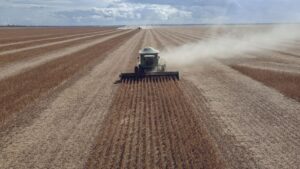
- Agricultural Commodities
- Industrial Metals
- Real-World Examples of Inflation-Driven Commodity Moves
- The 2010-2011 Commodity Surge
- The 2020-2022 Inflationary Episode
- The 1970s Stagflation Period
- Risks and Considerations for Commodity Investors
- Interest Rate Risk
- Volatility and Leverage Risk
- Demand Destruction
- Supply Dynamics Overriding Inflation
- Diversification Complexity
- Frequently Asked Questions
- Q1: Does inflation always lead to higher commodity prices?
- Q2: Which commodities best protect against inflation?
- Q3: How should I invest in commodities given inflation concerns?
- Q4: Can I time commodity market cycles around inflation?
- Author Bio
Disclaimer: This article is for educational and informational purposes only and should not be construed as financial advice, investment recommendations, or a solicitation to buy or sell any security. Commodity trading involves substantial risk, including the potential loss of your entire investment. Past performance does not guarantee future results. Always conduct your own research and consider consulting with a qualified financial advisor before making investment decisions.
How Inflation Affects Commodity Prices: What Investors Should Know
Table of Contents
- Key Takeaways
- Understanding Inflation and Its Economic Context
- The Direct Relationship Between Inflation and Commodity Prices
- Commodities as an Inflation Hedge
- How Different Commodities React to Inflation
- Real-World Examples of Inflation-Driven Commodity Moves
- Risks and Considerations for Commodity Investors
- Frequently Asked Questions
- Author Bio
Key Takeaways
- Inflation and commodity prices move in tandem: Rising inflation typically pushes commodity prices higher as the currency weakens and production costs increase.
- Commodities offer inflation protection: Real assets like gold, oil, and agricultural products have historically served as hedges against purchasing power erosion.
- Not all commodities respond equally: Energy, precious metals, and agriculture respond differently to inflationary pressures based on supply, demand, and production dynamics.
- Currency weakness matters: Since commodities are priced in US dollars globally, a weaker dollar typically makes commodities more attractive and affordable for foreign buyers.
- Volatility increases with inflation: Inflationary environments often bring greater price swings, creating both opportunities and risks for traders.
Understanding Inflation and Its Economic Context
Inflation represents the rate at which the general level of prices for goods and services rises, eroding purchasing power over time. When inflation accelerates, a dollar today buys less than it did yesterday. For example, if inflation runs at 5% annually, something costing $100 today would cost approximately $105 next year.
Central banks monitor inflation closely and often adjust interest rates in response. The Federal Reserve, for instance, targets a 2% inflation rate in the United States as optimal for economic growth. When actual inflation exceeds this target—as happened in 2021-2022 when inflation reached 9.1% in June 2022—policymakers typically raise interest rates to cool demand and bring prices down.
Why Inflation Occurs
Several factors contribute to inflationary pressure:
- Increased money supply: When governments or central banks inject more currency into the economy, each unit becomes less valuable.
- Supply chain disruptions: Limited availability of goods combined with sustained demand pushes prices upward.
- Rising production costs: Higher wages, energy costs, and raw material expenses get passed to consumers.
- Demand surge: When consumer demand outpaces supply, sellers raise prices.
Understanding these dynamics is crucial for commodity investors, as inflation influences both the demand for and the supply of raw materials worldwide.
The Direct Relationship Between Inflation and Commodity Prices
Commodity prices and inflation share a strong positive correlation, though the relationship is nuanced. When inflation rises, commodity prices typically increase for several interconnected reasons.
Production Cost Pass-Through
As inflation rises, the costs of producing commodities increase. Farmers pay more for fuel, fertilizer, and equipment. Oil companies face higher labor and equipment costs. Mining operations encounter increased expenses across all inputs. These rising production costs push companies to raise their selling prices, which flows directly into commodity prices.
Currency Depreciation Effects
Inflation in major economies, particularly the United States, typically weakens that currency. Since global commodities are predominantly priced in US dollars, a weaker dollar makes commodities cheaper for foreign buyers using stronger currencies. This increased foreign demand supports higher commodity prices.
For example, during the 2020-2022 period when the US dollar weakened amid rising inflation, crude oil prices climbed from around $40 per barrel to nearly $130 per barrel by March 2022, partly due to the currency effect combined with supply constraints.
Real Returns and Nominal Prices
Investors distinguish between nominal prices (the actual dollar amount) and real prices (adjusted for inflation). When inflation accelerates, nominal commodity prices often rise, but the real returns may not be as robust. This distinction matters for traders evaluating whether commodity price increases represent genuine value expansion or merely nominal adjustment for currency erosion.
Commodities as an Inflation Hedge
Historically, commodities have served as effective inflation hedges—investments that maintain or increase value when purchasing power declines. This property makes them attractive portfolio diversification tools during inflationary periods.
Why Commodities Protect Against Inflation
Intrinsic value preservation: Unlike paper currency, commodities represent tangible assets with real-world utility. Gold doesn’t deteriorate, oil fuels economies, and wheat feeds populations. As currency loses value, the real value of these tangible assets remains anchored in their utility.
Supply constraints: Many commodities have relatively inelastic supply in the short term. You cannot quickly expand gold mining or increase oil production. When demand rises amid inflation, prices adjust upward to balance limited supply with increased demand.
Income generation: Some commodity investments, like dividend-paying agricultural stocks or energy partnerships, provide cash returns that can keep pace with inflation.
Historical Performance
Research from various financial institutions shows that commodity indices have often outperformed inflation rates during periods of rising prices. For instance, during the 1970s inflation surge when CPI rose approximately 11% annually, commodity prices increased substantially, allowing investors holding commodities to preserve and grow real wealth.
More recently, the 2021-2022 inflationary period saw crude oil climb 65% year-over-year and natural gas surge over 100%, demonstrating commodities’ responsiveness to inflationary conditions.
How Different Commodities React to Inflation
Not all commodities respond identically to inflation. Their reactions depend on supply elasticity, demand characteristics, and market-specific factors.
Precious Metals
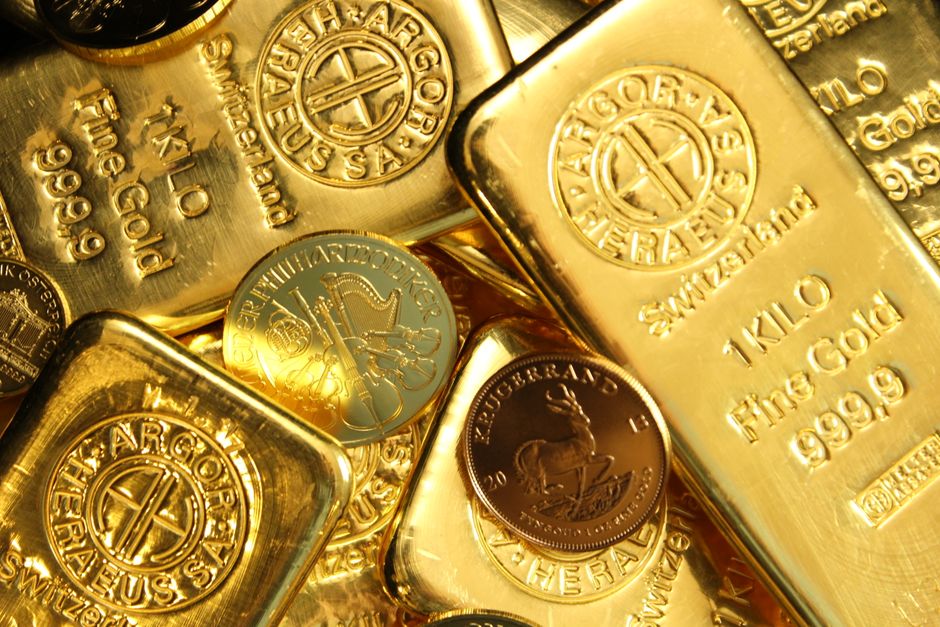
Gold stands as perhaps the classic inflation hedge. With relatively stable industrial demand and constrained supply, gold prices typically rise alongside inflation. During the 2008-2009 financial crisis and subsequent inflation concerns, gold prices doubled from roughly $800 per ounce to $1,600 within years. Silver shows similar patterns but with greater volatility due to significant industrial applications.
Energy Commodities
Crude oil and natural gas respond to inflation through multiple channels. Rising inflation increases transportation, heating, and production costs across economies, boosting energy demand. Simultaneously, weaker currencies make oil more expensive for international buyers. However, energy commodities also respond to geopolitical events, production decisions by major suppliers like OPEC, and technological changes. The 2022 Russian invasion of Ukraine caused oil prices to spike above $100 per barrel, driven partly by supply disruption fears amplified by existing inflationary conditions.
Agricultural Commodities
Wheat, corn, soybeans, and coffee show mixed inflation relationships. Rising input costs (fuel, fertilizer, labor) push agricultural prices upward. However, many agricultural products also respond to weather, planting decisions, and global harvests. The 2010-2011 period saw agricultural commodity indices rise sharply amid inflation concerns and poor harvests in Russia and Eastern Europe. Conversely, during deflationary periods with abundant harvests, agricultural prices may decline despite economic pressures.
Industrial Metals
Copper, aluminum, and zinc tie closely to economic activity and inflation. Rising inflation often reflects strong economic growth, which increases industrial demand. Copper prices roughly doubled from 2020 to 2022 as both inflation and post-pandemic economic recovery accelerated. However, if inflation leads central banks to sharply raise rates and slow growth, industrial metal demand may weaken despite continued inflationary pressure.
| Commodity Type | Inflation Sensitivity | Key Drivers | Volatility Level |
|---|---|---|---|
| Precious Metals (Gold) | High | Currency strength, real rates, geopolitical risk | Moderate |
| Energy (Crude Oil) | High | Inflation, geopolitics, production, demand | High |
| Natural Gas | Medium-High | Season, storage, production, inflation | Very High |
| Agriculture | Medium | Weather, planting, input costs, inflation | High |
| Industrial Metals | Medium | Economic growth, inflation, industrial demand | High |
Real-World Examples of Inflation-Driven Commodity Moves
The 2010-2011 Commodity Surge
Amid post-financial crisis monetary stimulus and emerging market growth, commodity prices surged globally. Oil climbed from under $80 to over $110 per barrel. Agricultural indices roughly doubled. Gold rose from $1,100 to $1,900 per ounce by 2011. While not all this movement was inflation-driven—much reflected economic recovery and geopolitical factors—the connection between loose monetary policy, rising inflation expectations, and commodity prices was evident.
The 2020-2022 Inflationary Episode
Following pandemic-related monetary and fiscal stimulus, inflation accelerated sharply in 2021-2022. Commodity prices responded dramatically:
- Crude oil: Rose from approximately $40 in 2020 to nearly $130 in March 2022 before moderating.
- Natural gas: Experienced extreme volatility, with European benchmarks exceeding $350 per million BTU during winter 2021-2022.
- Agricultural commodities: Wheat surged over 40% in 2022 partly due to Ukrainian supply disruptions and inflationary input costs.
- Gold: Fluctuated between $1,700 and $2,100 per ounce as investors weighed inflation protection against rising real interest rates.
The 1970s Stagflation Period
The 1970s present perhaps the clearest historical example of commodity responsiveness to inflation. CPI inflation reached double digits, and commodity prices exploded. Oil quadrupled following the OPEC embargo. Gold prices rose from $35 per ounce to over $800 by 1980. Investors who held commodities substantially outperformed those holding bonds or stocks, demonstrating commodities’ inflation hedge properties during extreme inflationary episodes.
Risks and Considerations for Commodity Investors
Interest Rate Risk
When central banks raise interest rates to combat inflation, commodity prices often decline despite elevated inflation readings. This occurs because higher rates increase the opportunity cost of holding non-yielding assets like commodities. During 2022, the Federal Reserve aggressively raised rates from near-zero to 4.25%, and many commodity prices declined from their early-year peaks despite inflation remaining elevated. Investors must recognize that the inflation-commodity relationship weakens when real interest rates (nominal rates minus inflation) rise sharply.
Volatility and Leverage Risk
Commodity markets, particularly energy and agricultural futures, exhibit extreme volatility. Natural gas prices fluctuated 400% from 2021 to 2023. This volatility creates opportunities for traders but poses substantial risks, especially for leveraged positions. A 10% adverse move in a commodity futures contract with 10x leverage produces a 100% loss of margin. Most retail investors should approach commodity leverage cautiously.
Demand Destruction
If central banks successfully combat inflation through rate hikes, economic growth may slow significantly, reducing commodity demand and prices. This “hard landing” scenario would see commodities decline despite elevated inflation, creating a timing risk for investors.
Supply Dynamics Overriding Inflation
Supply shocks can overwhelm inflation dynamics. For example, in 2015-2016, despite global economic stimulus and potential inflation, crude oil fell below $30 per barrel due to massive US shale production. Similarly, agricultural oversupply can suppress prices regardless of inflation. Investors must evaluate commodity-specific supply and demand alongside macro inflation trends.
Diversification Complexity
Commodities within the same category often move differently. Gold and copper, while both commodities, have distinct inflation relationships. Diversifying across commodity types requires sophisticated analysis or consideration of broad commodity indices or professionally managed funds.
Frequently Asked Questions
Q1: Does inflation always lead to higher commodity prices?
A: Not necessarily. While inflation and commodity prices show strong historical correlation, the relationship weakens when central banks respond with aggressive rate hikes. Real interest rates (adjusted for inflation) matter as much as nominal inflation. Additionally, if inflation stems from demand destruction rather than strong growth, commodity prices may decline. The 2022 example illustrates this: despite 9% inflation, commodity prices fell as the Fed raised rates, increasing real rates significantly.
Q2: Which commodities best protect against inflation?
A: Precious metals, particularly gold, have the strongest historical inflation hedging properties due to limited supply and cultural demand. Broad commodity indices including energy, agriculture, and metals provide diversified inflation exposure. However, no commodity guarantees inflation protection, especially over short periods. Gold’s real returns have varied substantially across different inflation periods. Investors should diversify across multiple commodity types and combine commodity holdings with other inflation-fighting strategies.
Q3: How should I invest in commodities given inflation concerns?
A: Several approaches exist, each with different risk profiles. Physical commodities like gold coins or bars offer direct ownership but involve storage and insurance costs. Commodity ETFs provide diversified exposure with lower costs and easier trading. Futures contracts offer leverage and precise price exposure but require significant sophistication and risk management. Commodity-related stocks and master limited partnerships provide inflation protection with dividend potential. Consider your risk tolerance, investment timeline, and expertise when choosing an approach. Most investors benefit from moderate, diversified commodity allocation rather than concentrated bets.
Q4: Can I time commodity market cycles around inflation?
A: Timing commodity markets is extremely difficult even for professional traders. While inflation trends are somewhat predictable, commodity price movements depend on numerous factors including geopolitics, supply surprises, demand shifts, and monetary policy changes. Research suggests that long-term buy-and-hold strategies in commodities, often through indices or diversified funds, outperform frequent trading for most investors. Rather than timing, focus on establishing appropriate long-term allocation based on your financial goals and inflation outlook.