- Table of Contents
- Key Takeaways
- What Are Commodity ETFs?
- How Commodity ETFs Work
- The Basic Structure
- Physical vs. Futures-Based Approaches
- Expense Ratios and Costs
- Types of Commodity ETFs
- Single-Commodity ETFs
- Broad Commodity Index ETFs
- Sector-Specific ETFs
- Commodity Stock ETFs
- Benefits of Investing in Commodity ETFs
- Portfolio Diversification
- Inflation Hedging
- Accessibility and Ease
- Lower Capital Requirements
- Transparency and Regulation
- Risks and Considerations
- Commodity Price Volatility
- Contango and Tracking Errors
- Inverse Correlation Not Guaranteed
- Geopolitical and Supply Risks
- Currency Risk
- Interest Rate Sensitivity
- Commodity ETF Comparison Table
- Getting Started with Commodity ETFs
- Determine Your Allocation
- Choose Your Exposure Type
- Compare Funds Carefully
- Dollar-Cost Averaging
- Monitor and Rebalance
- Frequently Asked Questions
- Can I lose more than my initial investment in a commodity ETF?
- Do commodity ETFs pay dividends?
- Why did my commodity ETF lose money when prices seemed stable?
- Are commodity ETFs suitable for long-term investing?
- How are commodity ETF gains taxed?
- What's the difference between leveraged and inverse commodity ETFs?
- About the Author
Disclaimer: This article is for educational purposes only and does not constitute financial advice, investment recommendations, or an offer to buy or sell securities. Commodity ETFs carry significant risks, including volatility, tracking errors, and contango effects. Past performance does not guarantee future results. Always consult with a qualified financial advisor before making investment decisions, and conduct thorough research appropriate to your risk tolerance and financial situation.
Commodity ETFs Explained: An Easier Way to Invest in Raw Materials
Table of Contents
Key Takeaways
- Commodity ETFs provide easy access to raw materials like oil, gold, and agricultural products without owning physical assets
- They offer portfolio diversification and potential inflation hedging benefits
- Commodity ETFs are subject to unique risks including contango losses, tracking errors, and commodity price volatility
- There are multiple types available: direct commodity, commodity index, and commodity futures-based ETFs
- Costs and expense ratios vary significantly, so comparing funds is essential before investing
What Are Commodity ETFs?
Commodity ETFs (Exchange-Traded Funds) are investment funds that track the price of raw materials and natural resources. Rather than buying physical commodities like barrels of oil or ounces of gold, investors can purchase shares of an ETF that holds or tracks these assets. This approach democratizes commodity investing, making it accessible to retail investors who previously needed substantial capital and specialized knowledge to participate in commodity markets.
The commodity market includes a diverse range of assets: precious metals (gold, silver, platinum), energy products (crude oil, natural gas), agricultural commodities (wheat, corn, soybeans), and industrial metals (copper, aluminum, zinc). Each of these sectors has different supply-demand dynamics and responds differently to economic conditions.
A commodity ETF might hold actual physical commodities in secure storage, invest in commodity futures contracts, or hold stocks of companies that produce commodities. The specific methodology depends on the fund’s investment strategy and structure.
How Commodity ETFs Work
Understanding the mechanics behind commodity ETFs helps investors make informed decisions about which funds suit their needs.
The Basic Structure
When you purchase shares of a commodity ETF, you’re buying a slice of a fund that holds a basket of commodity-related assets. The fund manager maintains holdings designed to track a specific commodity index or individual commodity price. Throughout the trading day, the ETF’s price fluctuates in real-time based on supply and demand from investors and the underlying commodity’s market movements.
For example, if you own shares of a gold ETF and gold prices rise 5% in a week, the ETF’s value should increase approximately 5% (minus fees and tracking errors). Conversely, if gold prices fall, so does the ETF’s value.
Physical vs. Futures-Based Approaches
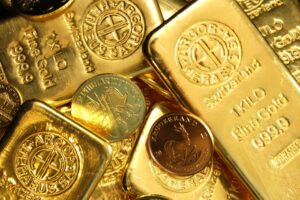
Physical commodity ETFs actually purchase and store the commodity. A gold ETF might hold actual gold bars in a secure vault. This approach directly ties the fund’s value to the commodity’s spot price, but storage and insurance costs are passed to shareholders.
Futures-based ETFs use commodity futures contracts—agreements to buy or sell a commodity at a future date at a predetermined price. These funds are more complex but can be more cost-efficient. However, they face a unique challenge called contango, which we’ll explore in the risks section.
Expense Ratios and Costs
Commodity ETFs charge annual expense ratios ranging from 0.2% to 1.5% or higher, depending on the fund and approach. A 0.4% expense ratio on a $10,000 investment costs $40 annually. Over time, these costs meaningfully impact returns, so comparing expense ratios across similar funds is crucial.
Types of Commodity ETFs
Single-Commodity ETFs
These funds track one specific commodity. Examples include funds tracking crude oil, natural gas, copper, or wheat. Single-commodity ETFs are ideal for investors with specific sector views—someone bullish on oil prices, for instance, might choose an oil ETF.
Broad Commodity Index ETFs
These funds hold baskets of multiple commodities, tracking broad indices like the S&P GSCI Commodity Index or Bloomberg Commodity Index. They provide diversification across different commodity sectors in a single holding. The composition might include 30-40% energy, 20% metals, and 40% agriculture, for example.
Sector-Specific ETFs
Some ETFs focus on commodity groups: precious metals funds, agricultural funds, or industrial metals funds. These offer middle-ground diversification—more focus than broad indices but more diversity than single-commodity funds.
Commodity Stock ETFs
Rather than holding commodities themselves, these funds invest in publicly traded companies that produce commodities. An oil stock ETF might hold shares in major petroleum producers. This approach differs fundamentally because company stock prices reflect not just commodity prices but also management quality, production efficiency, and company-specific risks.
Benefits of Investing in Commodity ETFs
Portfolio Diversification
Commodities historically have low correlation with stocks and bonds, meaning they don’t move in tandem. During periods when traditional investments struggle, commodities sometimes perform well. Adding a 5-10% allocation to commodities through ETFs can reduce overall portfolio volatility and improve risk-adjusted returns, according to many financial studies.
Inflation Hedging
Commodity prices often rise during inflationary periods. While bonds and stocks may lose purchasing power as inflation erodes returns, commodity values frequently increase. An investor concerned about inflation might use commodity ETFs as a partial hedge to maintain purchasing power.
Accessibility and Ease
Buying commodity ETFs requires only a brokerage account—the same account used for stocks. There’s no need for specialized accounts, physical storage arrangements, or futures trading knowledge. This simplicity makes commodity exposure practical for most retail investors.
Lower Capital Requirements
Investing in physical commodities requires significant capital. Buying a commodity ETF share might cost $50-150, making fractional commodity exposure affordable for nearly any investor. You don’t need tens of thousands of dollars to participate meaningfully.
Transparency and Regulation
ETFs trade on regulated exchanges and publish holdings daily. Investors know exactly what they own. This transparency reduces information asymmetry compared to some alternative investments and provides confidence in fund operations.
Risks and Considerations
Commodity Price Volatility
Commodity prices fluctuate dramatically based on geopolitical events, supply disruptions, weather, and macroeconomic conditions. A single OPEC decision about oil production or an unexpected frost damaging a wheat crop can trigger 10-20% price moves. This volatility means commodity ETF values can swing sharply.
Contango and Tracking Errors
Futures-based ETFs face a persistent challenge called contango. When futures prices are higher for later delivery dates (contango), the fund continuously sells near-term contracts and buys longer-dated ones. This “rolling” process can create losses even if commodity spot prices remain flat. Over extended periods, contango can significantly underperform the actual commodity price. For example, an oil ETF might show a -15% annual return while oil prices remained essentially stable, purely due to contango effects.
Inverse Correlation Not Guaranteed
While commodities typically correlate inversely with stocks, this relationship isn’t permanent. During certain market conditions, commodities and stocks move together, eliminating the diversification benefit. An investor counting on commodities to offset stock losses might be disappointed during a “risk-off” environment where investors flee all risky assets.
Geopolitical and Supply Risks
Commodity supplies depend on stable production and delivery infrastructure. Political instability in key producing regions (Middle East for oil, Russia for aluminum, Chile for copper) can disrupt supplies, creating sudden price spikes or dramatic reversals.
Currency Risk
Commodities are priced globally in U.S. dollars. For international investors, dollar strength or weakness affects returns. If you’re a European investor and the dollar strengthens, your commodity ETF returns are partially offset by unfavorable currency conversion.
Interest Rate Sensitivity
Commodity prices inversely relate to interest rates. Rising rates make holding commodities more expensive and reduce demand for industrial metals and energy. When central banks raise rates aggressively, commodity prices often decline, affecting ETF values.
Commodity ETF Comparison Table
| ETF Type | Expense Ratio | Best For | Key Risk | Approach |
|---|---|---|---|---|
| Single Precious Metal | 0.2-0.5% | Inflation/crisis hedging | Price volatility | Physical holdings |
| Broad Commodity Index | 0.4-0.8% | Diversified exposure | Contango, sector imbalance | Futures-based |
| Energy Sector | 0.3-0.7% | Oil/gas exposure | Geopolitical risk | Futures or physical |
| Agricultural | 0.5-1.0% | Commodity diversification | Weather risk, contango | Futures-based |
| Commodity Producers | 0.3-0.6% | Company growth + commodities | Company-specific risks | Equity holdings |
Getting Started with Commodity ETFs
Determine Your Allocation
Financial advisors typically recommend commodity allocations between 5-15% of a diversified portfolio, though this varies by individual circumstances, risk tolerance, and investment timeline. A younger investor with a long time horizon might use 5% as a modest diversification boost. Someone near retirement concerned about inflation might allocate 10-15%.
Choose Your Exposure Type
Decide whether you want broad commodity diversification, exposure to a specific sector (metals, energy, agriculture), or a single commodity bet. First-time investors often start with broad indices for diversification, then add sector-specific exposure based on conviction.
Compare Funds Carefully
Look beyond expense ratios. Examine:
- Tracking error: How closely does the ETF follow its benchmark?
- Trading volume: Higher volume means tighter bid-ask spreads and easier selling
- Fund size: Larger funds typically have lower costs and better tracking
- Holdings disclosure: Understand what you actually own
Dollar-Cost Averaging
Rather than investing a lump sum, consider investing smaller amounts regularly over time. This approach reduces the impact of entering the market at an unfavorable point in the commodity cycle.
Monitor and Rebalance
Commodity prices move dramatically, so portfolio weightings shift. A 10% commodity allocation might grow to 15% if commodities outperform. Periodic rebalancing—selling outperformers and buying underperformers—maintains your intended risk level.
Frequently Asked Questions
Can I lose more than my initial investment in a commodity ETF?
No. Like traditional ETFs, commodity ETFs are limited-liability investments. Your maximum loss equals your initial investment. However, the entire investment can be lost if the commodity becomes worthless (extremely rare). You cannot lose more than you invested, unlike leveraged products or futures contracts.
Do commodity ETFs pay dividends?
Most commodity ETFs do not pay dividends because commodities don’t generate cash flow. However, some commodity producer ETFs (companies that extract or produce commodities) may pay dividends from company earnings. Check the specific fund’s prospectus for dividend information.
Why did my commodity ETF lose money when prices seemed stable?
Contango and expense ratios are likely culprits. Futures-based ETFs continuously roll positions, creating losses in contango periods. Additionally, annual expenses compound over time. A fund with 0.5% annual fees losing value in a flat-price environment is common. This is why physical commodity ETFs sometimes outperform futures-based alternatives during contango periods, though they have their own drawbacks.
Are commodity ETFs suitable for long-term investing?
Commodity ETFs are more effective for medium-term (1-5 year) holdings than very long-term (20+ year) portfolios. Historically, commodities don’t appreciate like stocks over decades due to mean reversion—prices cycle through highs and lows. However, as a portfolio component for diversification and inflation hedging, they serve a legitimate role in long-term strategies.
How are commodity ETF gains taxed?
Taxation varies by fund type. Commodities futures are taxed under Section 1256 rules: 60% of gains are long-term capital gains and 40% are short-term, regardless of holding period (in the U.S.). This is often more favorable than ordinary capital gains rates. Equity-based commodity ETFs are taxed like regular stock holdings. Consult a tax professional for your specific situation.
What’s the difference between leveraged and inverse commodity ETFs?
Leveraged commodity ETFs use derivatives to amplify returns—a 2x leveraged oil ETF aims for double oil’s daily returns. Inverse ETFs bet against prices, moving opposite to the commodity. These complex products are designed for active traders, not buy-and-hold investors. They carry higher fees, decay risk over time, and require sophisticated understanding. Most retail investors should avoid them.