- Table of Contents
- Key Takeaways
- What Are Commodities?
- Types of Commodities
- Energy Commodities
- Precious Metals
- Base Metals
- Agricultural Commodities
- How Commodity Trading Works
- The Role of Futures Contracts
- Price Discovery and Quotes
- Methods of Trading Commodities in 2026
- Futures Contracts
- Options on Futures
- Exchange-Traded Funds (ETFs)
- Physical Ownership
- Digital and Fintech Platforms
- Commodity Market Dynamics in 2026
- Supply and Demand Fundamentals
- Geopolitical Factors
- Currency Movements
- Inflation and Interest Rates
- Popular Commodity Trading Strategies in 2026
- Trend Following
- Mean Reversion
- Spread Trading
- Seasonal Trading
- Macro and Fundamental Analysis
- Comparison of Commodity Trading Methods
- Risks and Considerations
- Leverage and Margin Risk
- Volatility and Black Swan Events
- Contango and Backwardation
- Counterparty Risk
- Geopolitical and Weather Uncertainty
- Regulatory Changes
- Frequently Asked Questions
- Can individual investors trade commodities, or is it only for professionals?
- How much capital do I need to start commodity trading?
- What is the difference between trading oil and trading gold?
- Is commodity trading profitable, and what returns should I expect?
- About the Author
Disclaimer: This article is for educational purposes only and should not be considered financial advice. Commodity trading involves significant risk, including the potential loss of principal. Past performance does not guarantee future results. Always consult with a qualified financial advisor before making investment decisions. The examples and figures provided are illustrative and based on historical data, not predictions of future performance.
Table of Contents
Key Takeaways
- Commodities are raw materials or primary agricultural products traded on global markets, including metals, energy, and agricultural goods
- Commodity trading involves buying and selling contracts for future delivery, allowing traders to speculate on price movements or hedge against price risk
- Modern commodity trading in 2026 combines traditional futures markets with options, ETFs, and digital trading platforms for increased accessibility
- Price movements in commodities are driven by supply and demand fundamentals, geopolitical events, weather, and macroeconomic factors
- Leverage and volatility present both opportunities and substantial risks that traders must carefully manage
What Are Commodities?
Commodities are standardized, interchangeable goods or raw materials that serve as the foundation for global commerce. Unlike individual company stocks, commodities represent physical products that are produced, consumed, and traded in massive quantities worldwide. A barrel of crude oil from one producer is essentially identical to a barrel from another, which is why commodities can be traded on standardized exchanges with consistent specifications.
The commodity markets represent one of the oldest forms of trading, dating back centuries when merchants would gather to exchange grain, spices, and metals. Today, the global commodities market exceeds $2 trillion in annual trading volume, making it one of the largest financial markets alongside stocks and currencies.
What makes commodities unique is their essential nature to the global economy. Whether it’s the oil that powers transportation, the metals that build infrastructure, or the crops that feed populations, commodities are fundamental inputs that affect everything from inflation rates to geopolitical stability. This fundamental importance creates constant demand from producers, manufacturers, investors, and speculators.
Types of Commodities
Energy Commodities
Energy commodities form the largest segment of the commodity market. Crude oil remains the most actively traded commodity globally, with Brent Crude and West Texas Intermediate (WTI) serving as global price benchmarks. A single barrel of crude oil contains approximately 42 gallons and is priced in U.S. dollars per barrel. Natural gas, another critical energy commodity, is traded in BTU (British Thermal Units) and powers heating, electricity generation, and industrial processes.
Coal and renewable energy credits also represent emerging areas within energy commodities, though fossil fuels still dominate the market share as of 2026.
Precious Metals
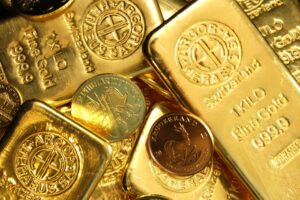
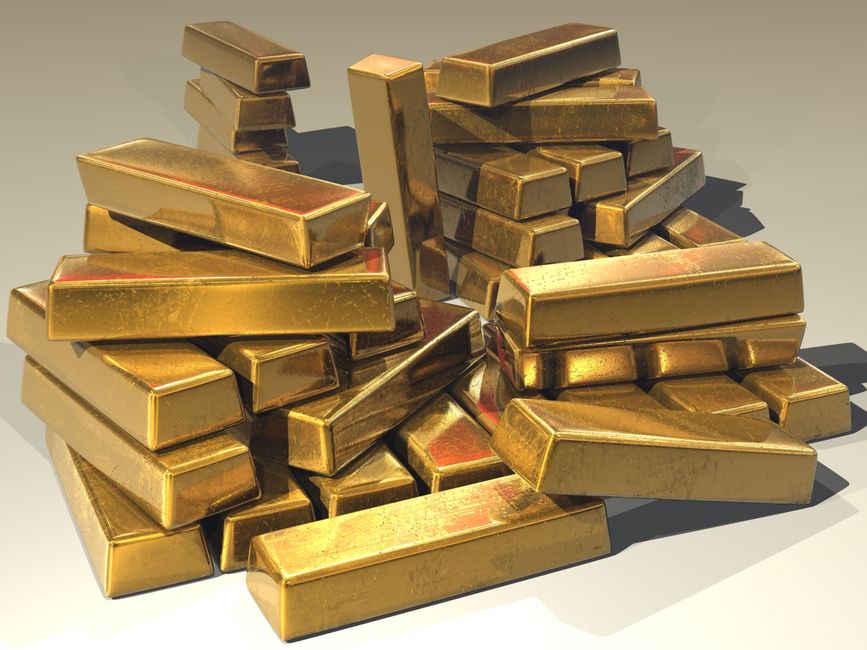
Precious metals carry both industrial and investment demand. Gold is the most recognized, traditionally seen as a safe-haven asset that investors buy during market uncertainty. Gold is typically quoted in U.S. dollars per troy ounce. Silver, while also a precious metal, has more industrial applications in electronics and solar panels. Platinum and palladium are industrial metals with specific uses in catalytic converters and electronics.
Base Metals
Copper is known as a “barometer of the economy” because its price often reflects global economic health—strong manufacturing and construction increase copper demand. Iron ore is essential for steel production, while aluminum, zinc, and nickel serve critical industrial purposes. These metals typically trade in metric tons on futures exchanges.
Agricultural Commodities
Agricultural commodities include crops like wheat, corn, soybeans, and rice, as well as softs like coffee, cocoa, sugar, and cotton. These commodities are heavily influenced by seasonal patterns, weather conditions, and global harvests. A single bushel of corn or wheat represents standardized volumes traded on agricultural futures exchanges.
How Commodity Trading Works
Commodity trading operates on the fundamental principle of buying low and selling high, but the mechanics are more complex than stock trading due to standardization, leverage, and contract specifications.
The Role of Futures Contracts
Most commodity trading happens through futures contracts—standardized agreements to buy or sell a specific quantity of a commodity at a predetermined price on a future date. For example, a corn futures contract might represent 5,000 bushels of corn to be delivered in December 2026 at a price locked in today.
Futures contracts serve two primary purposes:
- Hedging: A farmer might sell corn futures to lock in a price before harvest, protecting against price drops. A food manufacturer might buy corn futures to guarantee their input costs.
- Speculation: Traders buy and sell contracts betting on price direction without intending to take physical delivery of the commodity.
In 2026, the vast majority of futures contracts are closed before expiration—traders simply reverse their position by selling what they bought (or buying back what they sold). Only a small percentage result in actual physical delivery.
Price Discovery and Quotes
Commodity prices are discovered through continuous auction mechanisms on regulated exchanges like the Chicago Mercantile Exchange (CME), Intercontinental Exchange (ICE), and international exchanges like the London Metal Exchange (LME). As millions of participants trade, the market price reflects collective expectations about supply, demand, and future conditions.
Prices are quoted based on standardized units: barrel for oil, troy ounce for metals, bushel for grains, and metric ton for many industrial commodities.
Methods of Trading Commodities in 2026
Futures Contracts
Futures remain the primary vehicle for commodity trading, offering high liquidity and leverage. Traders typically need a margin account with a broker, depositing a percentage of the contract value (often 5-15%) to control the full position. This leverage amplifies both gains and losses.
Options on Futures
Options provide the right, but not the obligation, to buy (call) or sell (put) a futures contract at a specific price. Options offer defined risk—you lose only the premium paid if the trade moves against you—making them suitable for traders wanting to limit downside.
Exchange-Traded Funds (ETFs)
Commodity ETFs have democratized commodity investing, allowing retail investors to gain exposure without opening futures accounts. GLD tracks gold prices, USO follows crude oil, and broad-based ETFs track commodity indices. ETFs eliminate margin risks and leverage but typically have higher annual expense ratios (0.3-0.75% annually).
Physical Ownership
Some investors, particularly for precious metals, buy and store physical commodities directly. This approach eliminates counterparty risk but incurs storage, insurance, and verification costs.
Digital and Fintech Platforms
As of 2026, new trading platforms have emerged offering fractional commodity ownership, algorithmic trading capabilities, and real-time data integration. Many platforms now combine traditional commodities with cryptocurrency and tokenized commodities.
Commodity Market Dynamics in 2026
Supply and Demand Fundamentals
At its core, commodity pricing reflects supply and demand. When OPEC restricts oil production, crude prices typically rise. When a drought threatens wheat harvests, wheat prices spike. Conversely, technological improvements in extraction (like shale oil production) increase supply and can pressure prices downward.
In 2026, the transition toward renewable energy is creating new dynamics—while oil and coal face long-term headwinds, metals like lithium and cobalt (essential for batteries) are experiencing structural demand growth. This represents a secular shift in commodity market composition.
Geopolitical Factors
Geopolitical events create significant price swings. Trade tensions, sanctions, regional conflicts, and political uncertainty all impact commodity markets. For instance, any disruption to Middle Eastern oil production can move global crude prices significantly within hours.
Currency Movements
Since most commodities are priced in U.S. dollars, currency fluctuations matter. When the U.S. dollar strengthens, commodities become more expensive for foreign buyers, typically reducing demand and pressuring prices lower. The inverse occurs when the dollar weakens.
Inflation and Interest Rates
Commodity prices and inflation are intertwined. Rising commodities can fuel inflation, while central bank interest rate decisions affect investor allocation to commodities. Higher rates make non-yielding commodities less attractive relative to bonds, while lower rates increase commodity appeal.
Popular Commodity Trading Strategies in 2026
Trend Following
Trend followers buy commodities showing upward price momentum and sell those trending downward. Moving averages (typically 20, 50, and 200-day) help identify trends. This mechanical approach removes emotion but can lag in rapidly changing markets.
Mean Reversion
This strategy assumes prices that deviate significantly from historical averages will revert back. Traders buy oversold commodities and sell overbought ones. Statistical measures like Bollinger Bands and relative strength index (RSI) help identify extremes.
Spread Trading
Spread traders exploit price differences between related contracts. For example, the crack spread (oil versus gasoline and diesel) and crush spread (soybeans versus soybean meal and oil) represent natural relationships that skilled traders monitor for arbitrage opportunities.
Seasonal Trading
Agricultural commodities follow seasonal patterns. Wheat typically bottoms around harvest season (June-July) and rises into winter. Experienced traders anticipate these patterns and position accordingly, though fundamentals can override seasonal tendencies.
Macro and Fundamental Analysis
Macro traders analyze economic data, geopolitical developments, and supply reports to form directional views. Central bank meetings, OPEC decisions, and crop reports create predictable volatility that traders exploit.
Comparison of Commodity Trading Methods
| Method | Leverage | Cost | Accessibility | Risk Level |
|---|---|---|---|---|
| Futures Contracts | 10-20x | Low (commissions) | Moderate (requires margin account) | Very High |
| Options | Defined | Moderate (premiums) | Moderate | High (but capped) |
| ETFs | 1x (no leverage) | Low (0.3-0.75% annually) | Very High (brokerage account) | Moderate |
| Physical Ownership | None | High (storage, insurance) | Moderate | Low to Moderate |
| Mutual Funds | None | Moderate (1-2% annually) | Very High | Moderate |
Risks and Considerations
Leverage and Margin Risk
Futures leverage is powerful but dangerous. Controlling $100,000 worth of crude oil with just $5,000 down means a 5% price move results in a 100% profit or loss on capital. Many beginning traders lose their entire margin deposit within days due to unexpected price swings.
Volatility and Black Swan Events
Commodities experience sharp, sudden price movements. Oil prices fell 70% from 2014-2016. Agricultural commodities spike during droughts. These “black swan” events can trigger margin calls, forcing liquidation at the worst possible time.
Contango and Backwardation
Futures curves don’t move in straight lines. In contango (normal market), future prices are higher than spot prices, creating carrying costs that hurt long-term rolling positions. In backwardation, the opposite occurs. These dynamics particularly affect commodity ETFs that roll contracts.
Counterparty Risk
When trading through brokers or holding positions in derivatives, you face counterparty risk. While regulated exchanges and brokers provide significant protection, historical crises have occasionally resulted in unexpected losses.
Geopolitical and Weather Uncertainty
Unforeseeable events—wars, hurricanes, pandemics—create unpredictable price movements that no analysis can fully anticipate. Diversification and position sizing become critical.
Regulatory Changes
Commodity trading is heavily regulated, and regulatory changes can impact market structure. Position limits, circuit breakers, and margin requirements evolve, potentially limiting trading strategies.
Frequently Asked Questions
Can individual investors trade commodities, or is it only for professionals?
Individual investors can absolutely trade commodities through multiple pathways. ETFs and mutual funds offer the most accessible entry points requiring only a standard brokerage account. Futures and options require more sophisticated accounts but are available to retail traders who meet basic suitability requirements. Most brokers require accounts with $2,000-$5,000 minimum, though some platforms are reducing these minimums. The key is understanding the risks and starting with education before deploying capital.
How much capital do I need to start commodity trading?
For ETF-based commodity exposure, you can start with as little as a few hundred dollars. For futures trading, brokers typically require $2,000-$5,000 minimum account balance, though controlling a single crude oil futures contract requires approximately $5,000 in margin (20% of the $25,000 contract value). Many traders recommend risking no more than 1-2% of account capital on any single trade, meaning beginners should have at least $5,000-$10,000 to trade responsibly with proper position sizing.
What is the difference between trading oil and trading gold?
The primary differences are volatility, demand drivers, and seasonal patterns. Oil (energy) is more sensitive to geopolitical events and economic growth, experiencing larger daily percentage swings. Gold (precious metals) is more driven by currency movements and risk sentiment, often rising when stocks fall. Oil has seasonal demand patterns (winter heating, summer driving), while gold has less pronounced seasonality. Agricultural commodities have the most dramatic seasonal patterns due to harvest cycles. The trading strategies and timeframes often differ accordingly.
Is commodity trading profitable, and what returns should I expect?
Commodity trading can be profitable, but it’s highly dependent on skill, strategy, market conditions, and luck. There’s no typical return figure—some professional traders achieve 15-30% annually, while many beginners lose money in their first year. The commodity markets are competitive and increasingly driven by algorithmic traders, making it harder for casual traders to generate consistent profits. Realistic expectations are that learning to trade profitably takes significant time and education, and many traders never achieve consistency. Treating it as a get-rich-quick scheme typically leads to losses.